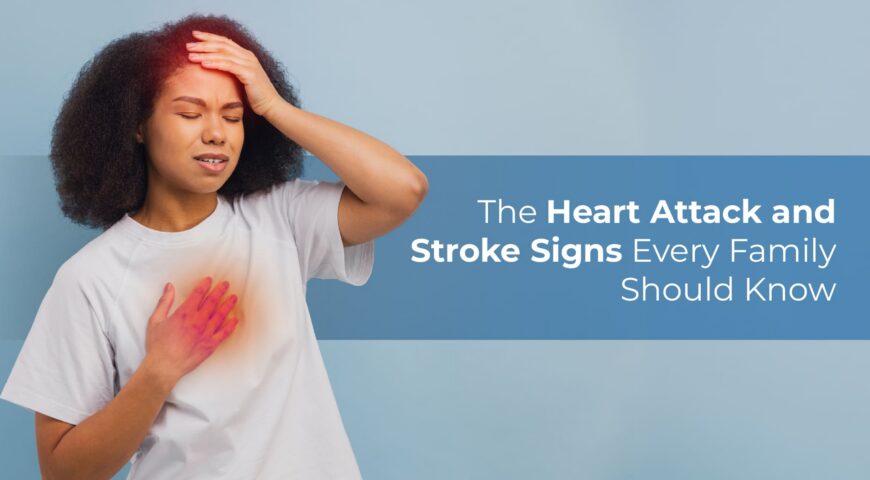
The Heart Attack and Stroke Signs Every Family Should Know
The festive season comes with all sorts of foods to enjoy. Be sure to be responsible not only in consuming them, but also in watching out for these sigs of heart attack and stroke.

The festive season comes with all sorts of foods to enjoy. Be sure to be responsible not only in consuming them, but also in watching out for these sigs of heart attack and stroke.
December is a culture of its own in South Africa. Ensure your family’s safety on the road with these tips and arrive to and from your destination alive.
Emergencies happen regardless of the situation, often without warning. Panic is normal, but being calm with a plan in the first five minutes can mean the difference between life and death.
Emergencies can happen at any time. Learn why the first 10 minutes are critical and discover practical emergency preparedness tips to help you stay calm, protect yourself, and respond effectively when every second counts.
Most emergencies don’t arrive out of nowhere – they’re preceded by small, ignorable warning signs. Here are the daily habits that help you respond faster and stay calmer when something does go wrong.
Breaking down at night in an unfamiliar area is unsettling – but panic is the real risk, not the darkness. Here’s the exact sequence to follow, from where to pull over to what information gets help to you faster.
Seeing your child have a seizure can be one of the most frightening experiences you can face as a parent. These medical emergencies often happen suddenly, without warning and can potentially leave you feeling helpless and unsure of what to do next. Research suggests that one of the most common seizure-related emergencies in young children is a febrile seizure.
When a life-threatening accident happens, most people focus on the moment that help arrives. The only thing that most people focus on is seeing the ambulance, the paramedics and the rush to get the injured person to the hospital. However, what may be missed is a critical process that occurs between the accident scene and arrival at a medical facility.
A severe and fatal car accident can happen in seconds, and when you least expect it. One moment you are driving normally, and the next you are faced with injuries, damaged vehicles, confusion and fear. In these moments, most people know they should call an ambulance, but very few know what to do while waiting for emergency services to arrive.
The minutes between a crash and the arrival of paramedics are often critical because everyone involved is usually in a state of panic or shock. The actions taken during this time can help protect injured people, prevent further harm and improve the chances of survival. Read on to learn more about what to do while waiting for emergency services after a severe crash