
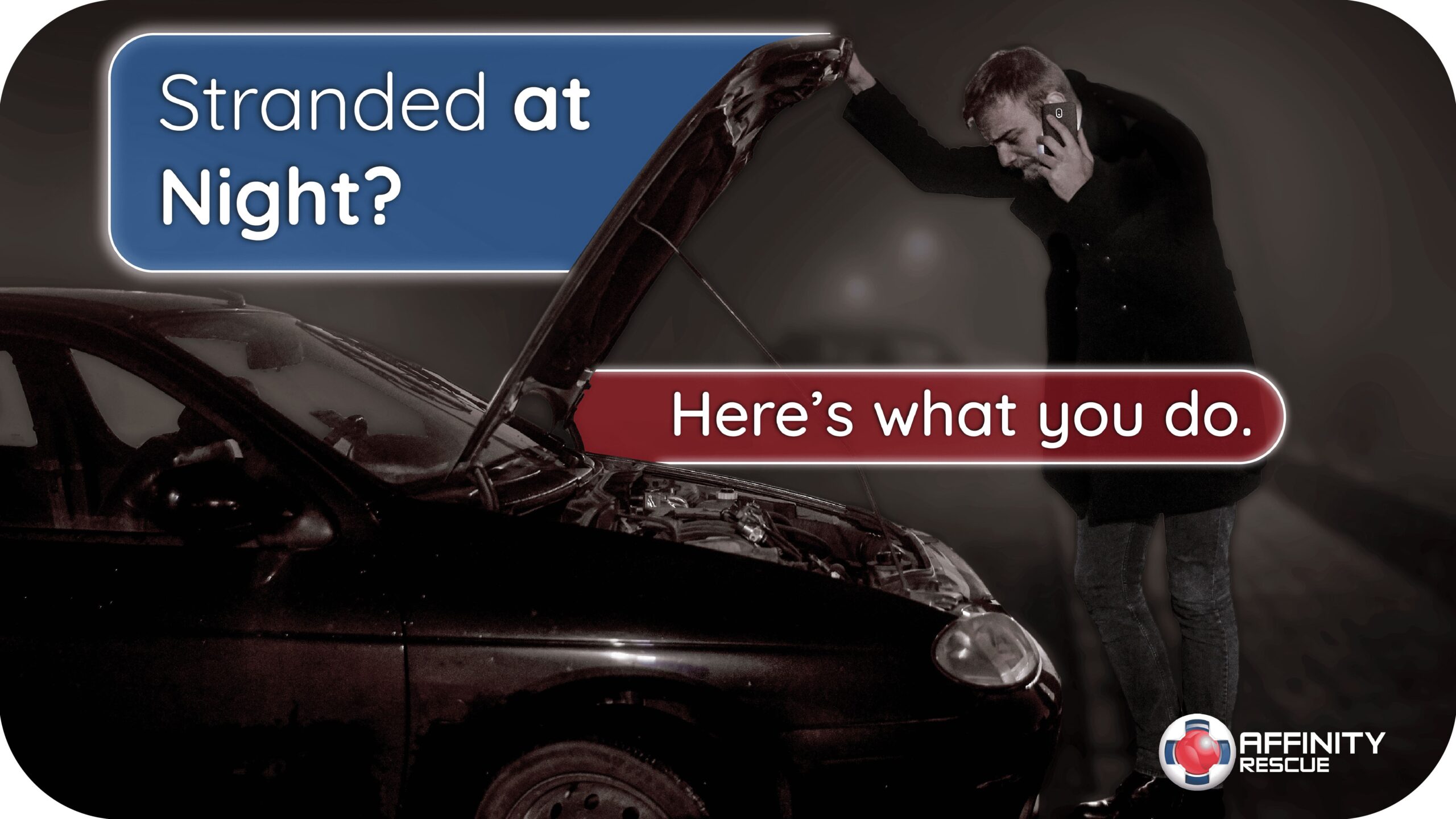
Stranded At Night: What To Do If Your Car Breaks Down In An Unsafe Area
Breaking down on the side of the road is stressful at the best of times, but it can feel far more frightening at night, especially in an unfamiliar or isolated area. During winter, darker evenings, poor visibility, and colder weather can make roadside emergencies even more difficult for drivers and families.
While many breakdowns are unavoidable, knowing what to do in those first few moments can help keep you safer while waiting for assistance.
Stay Calm and Assess Your Surroundings
The first thing to do is remain as calm as possible, as panic can make it harder to think clearly and make safe decisions.
If your vehicle is still moving, try to pull over to a well-lit area away from traffic if it is safe to do so. Petrol stations, busy public areas, or roads with visible activity are generally safer than isolated side roads.
Switch on your hazard lights immediately to make your vehicle more visible to other drivers.
Consider the Risks before Leaving Your Vehicle
Many people instinctively get out of their car after a breakdown, but at night, drivers should first assess whether the greater risk comes from traffic or the surrounding area.
If you feel unsafe due to suspicious activity or are in an isolated area, it may be safer to remain inside your locked vehicle while waiting for help. However, if your vehicle is stopped in a dangerous traffic position, move to a safer area away from traffic if it is safe to do so.
Keep your doors locked and avoid accepting help from strangers if you feel uncomfortable.
Make Yourself Visible
Poor visibility is a major risk during nighttime breakdowns. Other motorists may not immediately see a stationary vehicle, particularly during bad weather or load shedding.
If it is safe to exit the vehicle briefly, place a reflective triangle or warning sign behind your car to alert approaching traffic. Keeping a flashlight or charged phone light available can also help in darker areas.
Drivers should also consider keeping reflective jackets, blankets, and a small emergency kit inside their vehicle during winter.
Share Your Location with Someone You Trust
One of the most important safety steps is letting someone know where you are.
Send your live location to a family member or friend and keep them updated while waiting for assistance. If you contact an emergency or roadside support service, try to provide:
- Your exact location or nearest landmark.
- The make and colour of your vehicle.
- A brief explanation of the problem.
- Whether you feel unsafe or vulnerable.
- The number of people travelling with you, especially if children or elderly passengers are present.
This information can help responders locate you faster.
Relying on your Affinity Rescue plan when you need it most can help ensure immediate access to emergency assistance that may make a significant difference during stressful or potentially life-threatening situations.
Keep Your Phone Charged
A flat phone battery during an emergency can quickly become a serious problem.
During winter travel, drivers should try to keep their phones charged before long trips and carry a car charger or power bank when possible. Having emergency contact numbers saved and easily accessible can also reduce panic during stressful situations.
Preparation Makes a Difference
Although no one expects to break down, preparation can make roadside emergencies far easier to manage.
Simple habits like checking tyres, battery health, fuel levels, and keeping emergency essentials in your vehicle can help reduce risk during winter travel.
Most importantly, knowing who to contact during an emergency can provide greater peace of mind when every minute matters.