
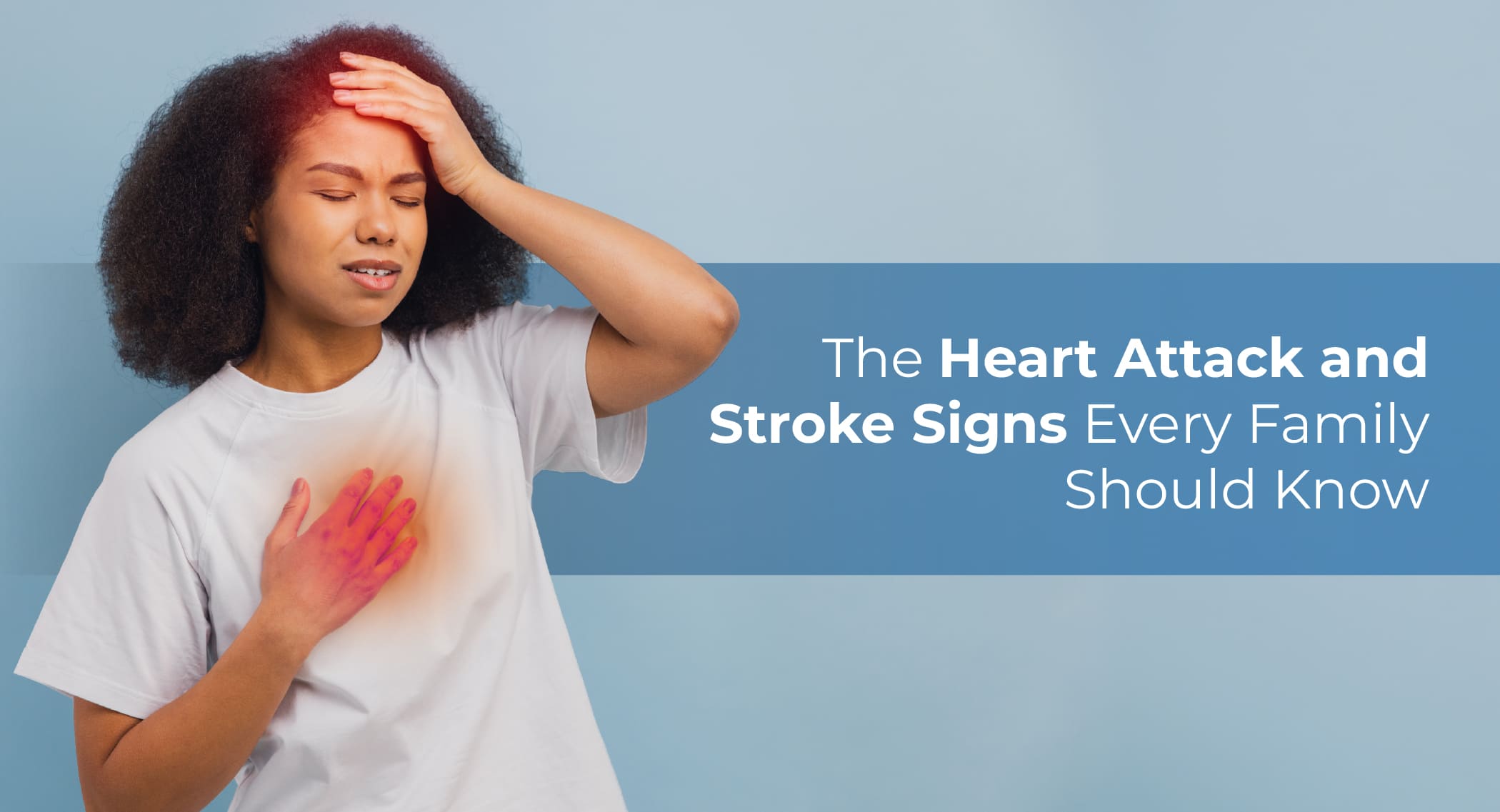
The Heart Attack and Stroke Signs Every Family Should Know
The festive season is a time for celebration, but research from Sweden found that the risk of a heart attack rises over Christmas. The study from New Year and New Zealand, where Christmas also falls in summer, found more heart related deaths during the festive holidays. While many people ignore warning signs because they do not want to spoil a family gathering, knowing what to look for, and acting quickly, can save the life of someone you love.
The signs of a heart attack
The most common sign is pain, pressure, squeezing or heaviness in the chest that lasts more than a few minutes or goes away and comes back. The pain can spread to one or both arms, the neck, jaw, back or stomach. Other signs include shortness of breath, a cold sweat, nausea and feeling dizzy. Women, older people and people living with diabetes may not have strong chest pain at all. Instead, they may feel very tired, breathless, sick or have pain in their back or jaw, so it is important to take these signs seriously too.
The signs of a stroke
A stroke happens when blood flow to part of the brain is blocked or a blood vessel bursts. The word FAST can help you remember the main signs. Face: one side of the face droops, or the smile looks uneven. Arms: one arm feels weak or numb and drifts down when both are raised. Speech: words are slurred, strange or hard to understand. Time: call for help immediately. Other signs include sudden trouble seeing, a sudden severe headache, and losing balance or coordination.
What to do straight away
Call 0861 11 77 74 immediately, and do not wait to see if the symptoms pass. Heart attacks and strokes are life threatening emergencies, and every minute counts. Please do not let the person drive themselves to hospital. For a possible heart attack, help them sit down, rest and loosen any tight clothing. The person on the line may tell you whether it is safe for them to chew an aspirin. For a possible stroke, do not give them anything to eat, drink or swallow, because their ability to swallow may be affected. Make a note of the time the symptoms started, as this helps doctors decide on treatment. If the person stops breathing and you are trained in CPR, start CPR and keep going until help arrives.
Look after your heart this season
Enjoy the festive food, but go easy on salt, fatty meat and alcohol. Drink plenty of water, especially in the heat. Take any chronic medication as prescribed, even on busy days away from home. A walk after a big meal is good for your heart, and so is getting enough sleep and taking time to rest.
Never wait
It can feel awkward to call for help in the middle of a celebration, especially if the person insists they are fine. Please call anyway. It is always better to be checked and sent home than to lose precious time. Your quick action could give someone you love many more festive seasons to share with the family.