

Road Safety Tips
Every year we prepare for the silly season. South African roads are hazardous to drive on a typical day. Still, our everyday hazards are heightened in December with heavy traffic, drunken driving, load shedding and potholes. Affinity Rescue has put together a few road safety tips for you and your loved ones to practice. Whether staying at home or planning a road trip, here are our dos and don’ts.
Wearing the right gear for the job
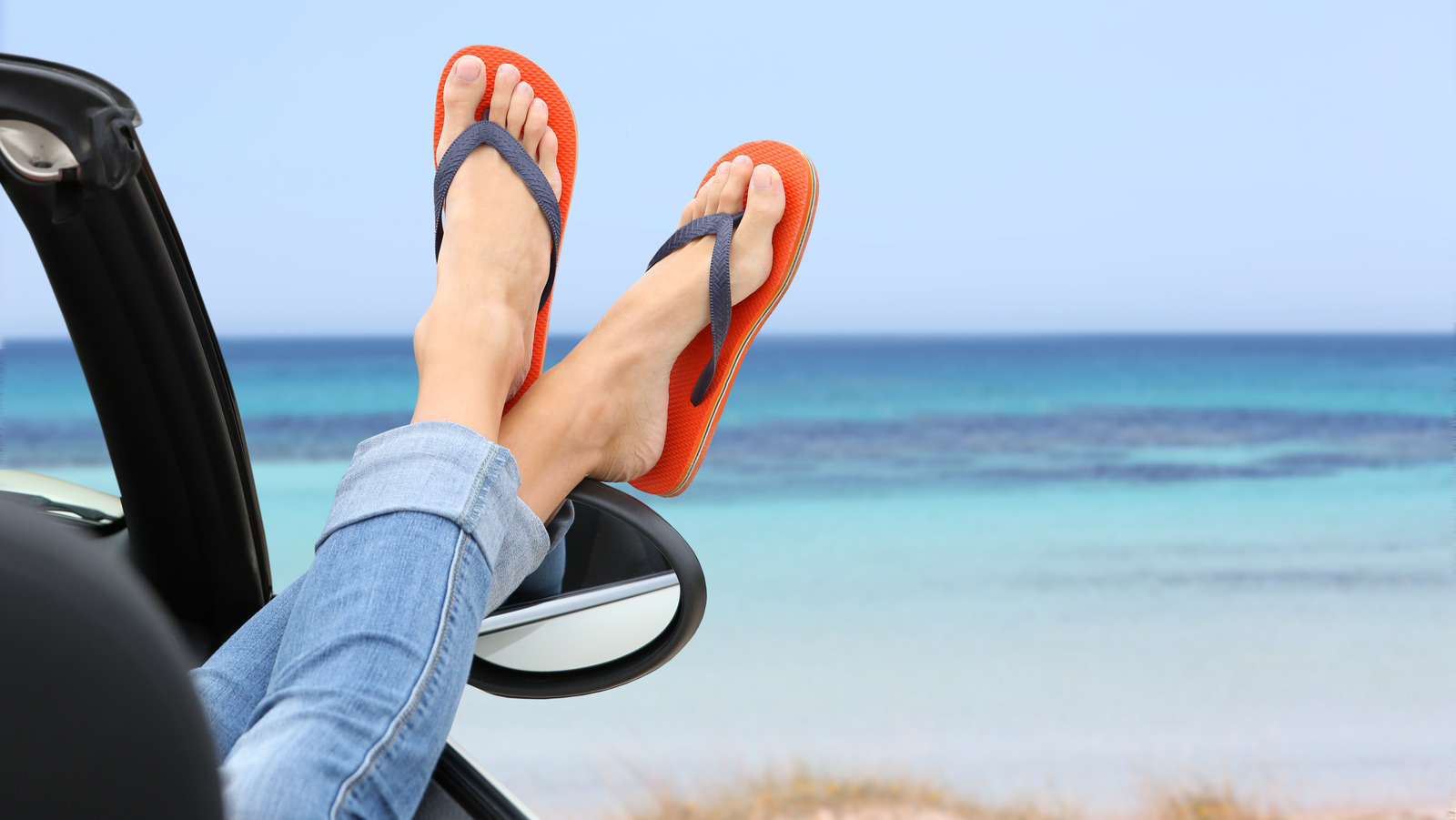
Wearing the right shoes for the job is essential when driving. Although driving barefoot or with flip-flops is not illegal, it is not advised.
Your feet need the proper support to have better control over a vehicle. When driving, your heel and ankle need adequate support to perform their job well. Can your barefoot handle a sudden slam of the breaks when the person in front of you breaks at the last minute? Will you have enough traction in your flip-flops?

The hazards of driving barefoot
- You do not have the exact grip as that of a shoe.
- You use more force when breaking barefoot. Using the ball of your foot to apply pressure on a pedal requires more force than it would if a shoe supported your foot. A sole of a shoe distributes the pressure applied evenly.
- Having no support for your feet can result in pains, cramps and spasms.
- Your feet naturally sweat. This can result in slippery pedals.
- Should you be in an accident, your feet are left vulnerable to the accident and its result; broken glass, car parts etc.
The hazards of driving with flip-flops
- You do not have the exact grip as that of a shoe.
- Flip-flops do not provide the correct amount of support for your feet. This can make breaking difficult and cause pains, cramps and spasms.
- The pedal can get caught between your flip-flop and your foot. This is extremely dangerous.
- Should you be in an accident, your feet are left vulnerable to the accident and its result; broken glass, car parts etc.
How to safely pack your car for a road trip.
How you pack your car is as essential as the route you take to your destination. The amount of luggage depends on the number of people in the vehicle and the length of your stay. However, not everyone packs the same, and accommodation differs from hotel to self-catering.
Before you and your loved ones start packing your luggage, look at your car load allowance and let each person know how many bags they may bring along, so you do not have to disappoint anyone on the day.
Once you have all the bags lined up and ready to be put into the car, remember these tips:
- Make sure you can quickly get to your emergency triangle, spare tyre, and first-aid kit, no matter what is packed, if you have a breakdown, tire puncture, or emergency.
- Large items should be packed into the boot first, low and tight. This decreases their penetrating power in the event of a car accident.
- Do not pack higher than your back seat for visibility reasons and penetrating power in the event of a car accident.
- If space is left open in your boot, fill the gaps with empty boxes or crates to stop smaller loads from sliding around.
- Make use of the space under the driver and passenger seat. The better you can distribute your luggage weight, the better fuel consumption and vehicle handling you will have on the road.
- Always include a packet to collect rubbish throughout your road trip. A clean environment is vital for the driver as well as your passengers.
- You need a clear line of sight through all windows and mirrors – before leaving your home, do a visual check.
How to safely navigate load shedding on the roads at night.
Load shedding is part of our lives. We have become accustomed to our schedules and have created new daily routines to work around life without power. As the holiday season approaches, checking your destination’s load shedding schedule is essential. Getting caught in load shedding in the dark on an unfamiliar road is less than ideal.
Here are a few of Affinity Rescues’ bright tips to keep you safe:
- Always remember to lock your doors.
- Make sure your headlights are on.
- Remember, traffic lights become a four-way stop during load shedding.
- Focus on the sequence of the cars in front of you
- Don’t take unnecessary risks or feel pressured to go when it is not your turn.
- Drive slowly and keep a look out for pedestrians.
- Keep enough space between yourself and the car in front of you.
- It is tough to see potholes in the evening. Drive slowly and keep enough space between yourself and the car in front of you.
- Watch out for any criminals. If you feel unsafe, go to the nearest petrol station and catch your breath.
- Drive carefully and watch out for other drivers.
- Accept that other drivers will make mistakes. Everyone is stressed and frustrated.